
Holistic Assessment in Education: A Vision Inspired by Swami Vivekananda and NEP 2020
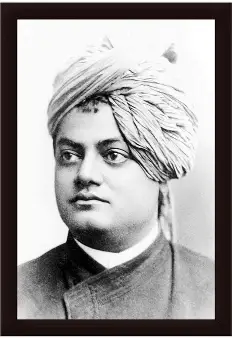
Explore how Swami Vivekananda’s “Man-Making Education” philosophy aligns with NEP 2020 to promote holistic assessment focusing on intellectual, emotional, and social development in students.Swami Vivekananda envisioned education as the manifestation of perfection already in man. His philosophy emphasized character building, strength, self-confidence, spiritual realization, and social responsibility. Central to his educational thought was the concept of “Man-Making Education,” which he believed was essential for both individual development and national progress. Following Swamiji’s ideas, the National Education Policy aims to create a holistic education system that makes an overall development with character building and self-sustaining thinking among the students.
The NEP 2020 is the first education policy of the 21st century and replaces the thirty-four-year-old National Policy on Education (NPE), 1986. The national education policy 2020, aims not only to provide livelihood-based education but also to develop humanity through the formulation of education. Lots of changes have been made, to which we are all familiar. But the question arises? What is the visionary pathway to holistic assessment. A visionary pathway to holistic assessment in schools focuses on a comprehensive approach that values the whole child—intellectual, emotional, social, and physical development. Here’s a structured overview of this pathway:
The concept & components of Holistic Assessment
Holistic development is based on the understanding that each individual is a complex interplay of various dimensions. It promotes the idea that education and personal growth should not focus solely on academic achievement but also consider emotional well-being, social skills, and physical health. This approach ensures that individuals develop their full potential through interrelated experiences and opportunities. The components of Holistic development are related to cognitive, emotional, social, physical, moral and spiritual developments & it is very essential to develop a model that evaluates a student’s overall development rather than just academic performance.
Integrate Multiple Assessment Methods
Integrating multiple assessment systems in educational settings can provide a more comprehensive view of student learning and development. Here’s a structured approach to achieving this:
(i) Define the Objectives of Assessment-Identify goals-what is to determine academic performance, social skills, emotional well-being, etc. & it should be aligned with the standard/class.
(ii) Select Appropriate Assessment Types–Based on objectives, assessment types are selected e.g.
· Formative Assessments: Regular checks for understanding (Quizzes, exit tickets, peer reviews and classroom discussions are formative assessments. For instance, a teacher might give a short quiz or work sheet at the end of a lesson to gauge understanding of the material.
· Summative Assessments: Comprehensive evaluations at the end of units or terms (exams, projects). A final exam or a comprehensive project is a summative assessment. For example, a class XI mathematics course might conclude with a final exam covering all topics studied throughout the semester.
- Performance-Based Assessments: Real-world tasks that demonstrate knowledge and skills. For example, A science lab practical where students design and conduct an experiment, then present their findings is a performance-based assessment.
- Self and Peer Assessments: Encourage reflection and feedback among students. After completing a project, students might use a checklist to assess their own contributions and the quality of their work, identifying areas for improvement (Peer) and for self( Self)
(iii) Develop a Framework for Integration
Assessment Mapping: Create a visual map to show how various assessment methods align with learning outcomes & develop rubrics that can evaluate multiple aspects of student performance across different assessments.
(iv) Utilize Technology-use assessment management system or any suitable software that allows analysing of data from various assessment types & also digital portfolios should be developed to compile evidences of learning over time like the Govt has Digi locker which is a secure cloud-based platform for storage, sharing and verification of documents & certificates.
(v) Implement Data Collection and Analysis- Data should be analysed in a time frame for identifying trends and areas for improvement. The data may be used for constructive feedback to students, helping them to know their strengths and areas for growth
(vi) Encourage Collaboration Among Educators- Foster groups of educators who collaborate on best practices in assessment integration and share experiences, may be through social media or academic groups like CED and make group of teachers from different subjects to collaborate on integrated assessments that assess cross-curricular competencies.
(vii) Involve Students in the Process- students may be allowed to see that how are they assessed and encourage students to set personal learning goals based on assessment data. If possible take an assessment test fully assessed by students, it will give more confidence to students towards assessment.
(viii) Communicate with Stakeholders–All stake holders -students and parents should be informed about assessment practice including rubrics for transparency in assessment and also how parents can help their children. Rubrics methodology should be briefed to them also.
(ix) Continuous Improvement-Collect feedback from students, parents and other educators regularly about the effectiveness of integrated assessments and should be adapt or revise methods which are not working. For this self and peer assessment can be encouraged to reflect their learning and feedback.
Incorporate Student Voice
- Surveys and Interviews: Regularly collect student input on their learning experiences and assessment methods in different subjects & assess which of them they like and why?.
- Choice in Assessment: Allow students to select how they want to demonstrate their learning (e.g., presentations, projects, written reports).
Focus on Mental Health and Well-Being
- Behavioural Assessments: Integrate evaluations that consider students’ well-being and social skills. Behavioural assessments in mental health focus on observing and evaluating an individual’s behaviour to identify emotional and psychological issues. This includes analyzing interactions, coping mechanisms, and responses to situations. Tools like questionnaires and direct observations help clinicians understand patterns, guiding effective interventions and support for improved mental well-being.
- Social-Emotional Learning (SEL): Implement SEL frameworks that promote emotional intelligence and resilience. SEL emphasizes the development of skills such as emotional awareness, empathy, relationship building, and responsible decision-making. It fosters resilience and interpersonal skills, equipping individuals to manage emotions and collaborate effectively. SEL programs contribute significantly to mental health and well-being, enhancing overall social and emotional competence in various environments.
Professional Development for Educators
- Training in Holistic Assessment: Provide continuous professional development focused on assessment strategies that promote a holistic view of student learning. Training teachers in holistic assessment equips them to evaluate students comprehensively, considering academic, emotional, and social dimensions. Educators learn to utilize diverse assessment tools, interpret data effectively, and provide constructive feedback. Emphasizing collaboration with families and colleagues, the training fosters a supportive environment, ensuring that all aspects of student development are addressed, promoting overall well-being and success.
- Collaborative Practices: Encourage teachers to work together to share insights and strategies. Collaborative practices involve teamwork among educators and families to enhance learning outcomes. They include sharing resources, co-planning lessons, and engaging in joint problem-solving. By fostering open communication and collective goal-setting, these practices promote a supportive environment, encouraging diverse perspectives and improving the overall educational experience for all stakeholders.
Community and Parental Involvement
- Engagement Opportunities: Create avenues for parents and community members to participate in the assessment process, sharing insights about students’ strengths and challenges. They can participate in the assessment process through input sessions or workshops. These gatherings can be organized to discuss assessment methods, share insights on student performance, and gather feedback on educational goals. By inviting parents and community stakeholders to collaborate on assessments, schools can foster a sense of ownership and support for student learning, enhance communication, and align educational objectives with community values.
- Feedback Loops: Establish systems for ongoing communication between home and school. A feedback loop between teachers and parents can be established through regular parents’ teachers’ meetings. During these meetings, teachers share updates on student performance, while parents provide insights on home challenges. This open dialogue fosters collaboration, encourages shared strategies for support, and ensures a unified approach to enhancing student learning and well-being.
Regularly Review and Adapt Assessment Practices
- Feedback Mechanisms: Set up processes for receiving and incorporating feedback from students, parents, and teachers. For this offline and online suggestions will work, if students hesitate to write, they may be allowed not to mention their name. A proforma can be developed and circulated among stake holders.
- Research and Best Practices: Stay informed about the latest research on holistic education and adapt practices accordingly. Teachers can update themselves by engaging in continuous professional development workshops, online courses, and educational webinars. Joining professional organizations like Ced, Science Teachers Association etc, reading educational journals, and collaborating with peers also enhance knowledge. Additionally, attending conferences and seeking mentorship can provide valuable insights and strategies to stay current with teaching practices and innovations. Keep in touch with NCERT, CBSE & other website to update with recent developments.
Conclusion
Adopting a holistic assessment approach in schools can foster a richer educational experience that prepares students for success in all aspects of life. It cultivates a supportive environment that recognizes diverse learning styles and personal growth, ultimately leading to well-rounded individuals who are equipped to thrive in society. Assessments should be taken as celebrations as our PM Mr Narendra Modi has said in “Pariksha pe charcha” and it is only possible when we support, guide, encourage and treat our students with empathy.
Dr Anil Sharma is an acclaimed academician and former Assistant Commissioner, KVS