
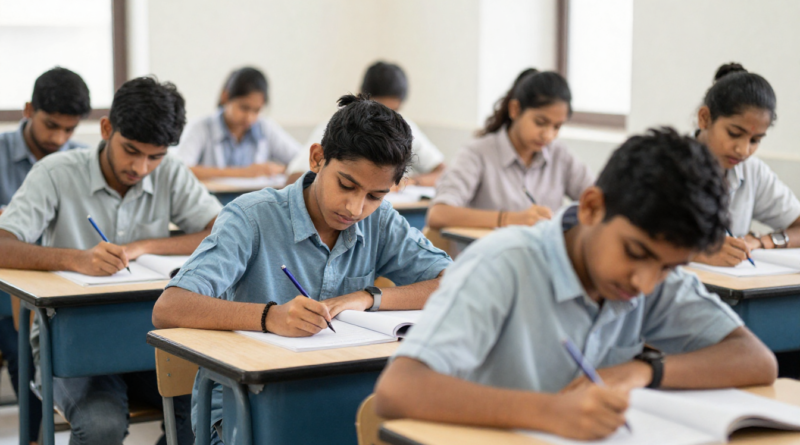
Maharashtra Board to merge HSC and SSC marksheet and certificate; QR code and photo to enable instant verification
The Maharashtra Board introduces a single marksheet-certificate with QR code and photo for SSC and HSC students. Learn how this reform enables instant verification and simplifies academic records.In a major reform aimed at modernising India’s school examination system, the Maharashtra State Board of Secondary and Higher Secondary Education (MSBSHSE) has announced a significant change in how student credentials will be issued. Beginning this year, the board will merge the marksheet and passing certificate for both SSC (Class 10) and HSC (Class 12) into a single, secure document.
This move is expected to simplify documentation, enhance transparency, and reduce fraud, while aligning with India’s broader push toward digital education governance.
One Document Instead of Two: A Structural Shift
Traditionally, Maharashtra Board students received two separate documents—a marksheet at the time of results and a passing certificate several months later. This system often created inconvenience for students applying for higher education or jobs.
Under the new reform:
- A single A4-sized document will replace both marksheet and certificate
- It will be easier to store, share, and verify
- Students will no longer need to manage multiple academic documents
According to reports, this integrated document will be issued to the first batch of students in 2026, marking a major administrative overhaul.
QR Code and Photograph: Strengthening Authenticity
One of the most important features of the new document is the introduction of advanced security elements, including:
1. QR Code for Instant Verification
Each marksheet-certificate will include a unique QR code, allowing institutions, employers, or authorities to instantly verify the authenticity of the document through the board’s official system.
2. Student Photograph
For the first time, student photographs will be embedded directly into the document. This will eliminate identity-related discrepancies and prevent misuse.
Earlier, neither the marksheet nor the certificate carried a photo or digital verification mechanism, making them vulnerable to forgery or manipulation.
Why This Reform Matters
This initiative is not just a technical upgrade—it reflects a deeper transformation in India’s education system.
1. Reduced Fraud and Fake Certificates
Fake marksheets have long been a concern in India. With QR-based verification, stakeholders can quickly authenticate records, reducing the scope for fraud.
2. Faster Admission and Recruitment Processes
Colleges and employers often spend time verifying academic documents. Instant digital verification will speed up admissions, job applications, and background checks.
3. Convenience for Students
Students will benefit from:
- Fewer documents to manage
- Faster access to verified credentials
- Better compatibility with digital platforms like DigiLocker
Integration with India’s Digital Education Ecosystem
This reform aligns with broader national initiatives such as:
- DigiLocker, where students can access digital documents
- APAAR ID (Automated Permanent Academic Account Registry), which aims to create a lifelong academic record for students
The Maharashtra government has already made APAAR registration mandatory for SSC and HSC students, enabling digital marksheets and centralized academic data storage.
This suggests that the merged document is part of a larger shift toward fully digitised academic records in India.
How Students Access Their Results and Documents
Students can continue to check and download their provisional marksheets through official portals:
Steps typically include:
- Entering roll number and mother’s name
- Downloading provisional marksheet
- Collecting original documents from schools
In addition, platforms like DigiLocker allow students to securely store and share their academic records online.
Part of a Larger Reform Trend
The Maharashtra Board has recently taken multiple steps to improve the credibility and transparency of examinations:
- Use of CCTV surveillance and drone monitoring to prevent cheating
- Strict action against malpractice, including suspension of staff
- Digitisation of academic records and verification systems
These measures indicate a system-wide effort to modernise examination processes and build trust in public education systems.
Challenges and Considerations
While the reform is promising, some challenges remain:
Digital Access Gap
Not all students, especially in rural areas, may have easy access to digital verification tools.
Implementation at Scale
With lakhs of students appearing for SSC and HSC exams annually, ensuring smooth rollout and error-free documentation will be crucial.
Data Privacy Concerns
With photographs and QR-linked data embedded, ensuring secure handling of student information will be important.
What This Means for Students and Institutions
For students, this reform represents:
- Greater ease of use
- Enhanced credibility of their academic records
- Faster processes for college admissions and job applications
For institutions and employers, it ensures:
- Quick and reliable verification
- Reduced dependency on manual checks
- Better trust in academic credentials
The Maharashtra Board’s decision to merge HSC and SSC marksheets with certificates—along with QR code verification and embedded photographs—marks a significant step toward a secure, efficient, and digital-first education system.
As India moves toward integrated academic databases and digital identities, such reforms are likely to become the norm across states. The initiative not only simplifies student life but also strengthens the integrity of the education system.
In the coming years, this model could serve as a template for nationwide adoption, making India’s academic documentation system more transparent, accessible, and future-ready.