
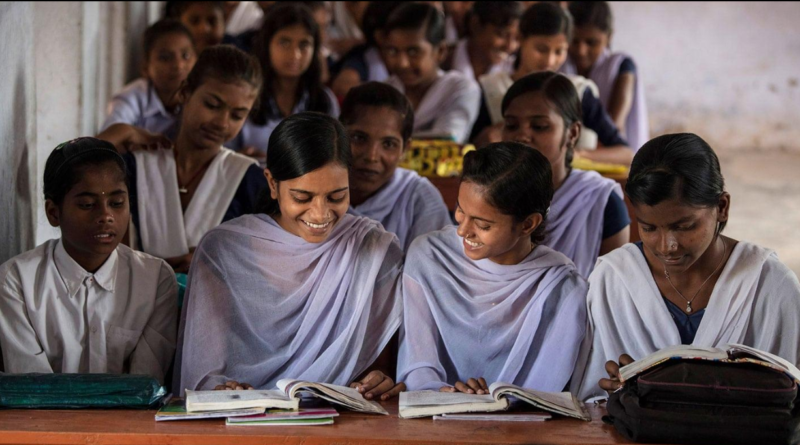
Menstrual health is key to girls’ education in India
Menstrual health is not just a personal or biological issue—it is deeply connected to education, dignity, and gender equality. In India, millions of girls face barriers to schooling simply because of menstruation. Understanding this link is essential for policymakers, educators, and society at large.📌 The Hidden Barrier to Education
Menstruation often becomes a silent reason for school absenteeism among adolescent girls. Studies show that:
- Nearly 1 in 4 girls in India miss school during menstruation due to pain, lack of facilities, or embarrassment
- In some studies, up to 40% of girls reported being absent during periods
These repeated absences create learning gaps, affecting academic performance and confidence.
🚫 Period Poverty and Dropout Crisis
One of the biggest challenges is period poverty—lack of access to menstrual products and facilities.
- Over 23 million girls in India drop out of school annually due to menstruation-related challenges
- Many girls use unsafe alternatives like cloth or ash due to affordability issues
When basic needs are unmet, education becomes secondary, and dropout becomes inevitable.
🧠 Lack of Awareness and Education
A significant number of girls enter puberty without proper knowledge:
- Around 71% of girls in India are unaware of menstruation before their first period
This lack of awareness leads to:
- Fear and confusion
- Low self-esteem
- Social withdrawal
Without proper menstrual education, girls struggle to participate confidently in school life.
🚻 Inadequate School Infrastructure
Access to safe and hygienic facilities is crucial.
- Many schools lack clean toilets, water, and disposal systems
- Globally, only 39% of schools provide menstrual health education, and even fewer have proper waste disposal
Poor infrastructure forces girls to stay home during menstruation, directly impacting attendance.
⚠️ Stigma and Social Taboos
Menstruation in India is often surrounded by silence and stigma:
- Girls face restrictions in daily activities
- Many feel शर्म (shame) and embarrassment
- Fear of teasing or staining clothes discourages school attendance
UNICEF highlights that stigma and social exclusion remain major barriers to menstrual health
🏥 Health and Well-being Impact
Poor menstrual hygiene can lead to:
- Reproductive tract infections
- Urinary infections
- Long-term health complications
Studies confirm that inadequate menstrual hygiene management affects both health and school participation
A girl who is physically uncomfortable or unwell cannot focus on learning effectively.
📉 Impact on Learning Outcomes
Missing school regularly has long-term consequences:
- Loss of classroom continuity
- Reduced academic performance
- Increased likelihood of dropping out
Globally, menstruation-related absenteeism can account for up to 20% of school days lost annually
This significantly limits girls’ educational and career opportunities.
⚖️ A Matter of Rights and Equality
Recent developments in India have recognized menstrual health as a fundamental right linked to dignity and education.
Ensuring menstrual health is therefore not just a welfare issue—it is a constitutional and human rights concern.
🌱 The Way Forward
To ensure that no girl misses school because of menstruation, India must focus on:
- Comprehensive menstrual education in schools
- Affordable or free sanitary products
- Clean and safe school toilets with disposal systems
- Breaking social taboos through awareness campaigns
- Teacher training and supportive school environments
✅ Conclusion
Menstrual health is critical to girls’ education because it directly affects attendance, participation, confidence, and long-term opportunities.
If India is serious about achieving gender equality and quality education (SDGs 4 & 5), it must address menstrual health not as a side issue, but as a central pillar of educational reform.
Educating a girl means empowering a generation—but that empowerment begins with ensuring she can attend school every day, with dignity.