
Core of School Inspections: An Experiential Account
[Explore the pivotal role of school inspections in shaping educational standards and fostering growth within the school system. Account of experiential insights, advocating for a shift towards supportive supervision and collaborative initiatives in Kendriya Vidyalayas.]
Understanding the Nuances of Supervision and Inspection
The terms “supervision” and “inspection” are often used interchangeably, yet their connotations and objectives diverge significantly. Supervision embodies a nurturing ethos, characterised by guidance and support aimed at nurturing the potential inherent within educational ecosystems. Conversely, inspection assumes a more evaluative stance, meticulously scrutinising performance metrics and adherence to prescribed standards. However, the distinction between these roles is not always clear-cut, leading to a conundrum that permeates the discourse surrounding educational governance.
Navigating the maze of misunderstandings, we find school inspections obscured by misconceptions. To some, inspections seem like harsh punishments, brandished like swords rather than constructive aids for progress. Meanwhile, others see supervision as a gentle guardian, but fail to recognize its power to ignite real change.
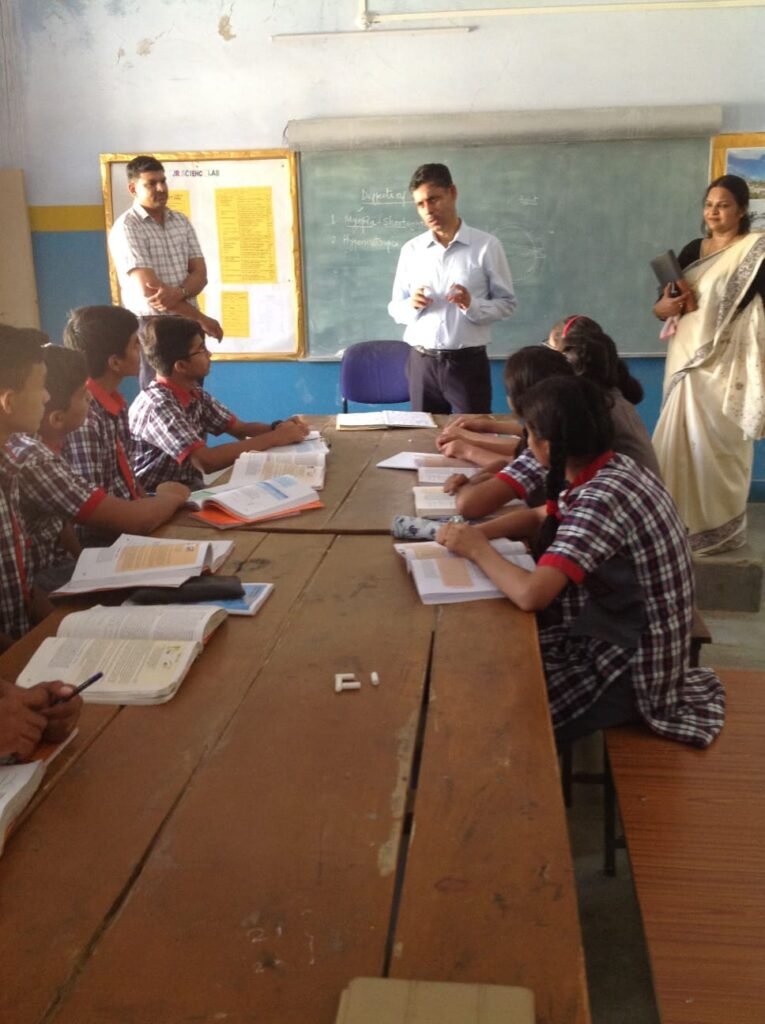
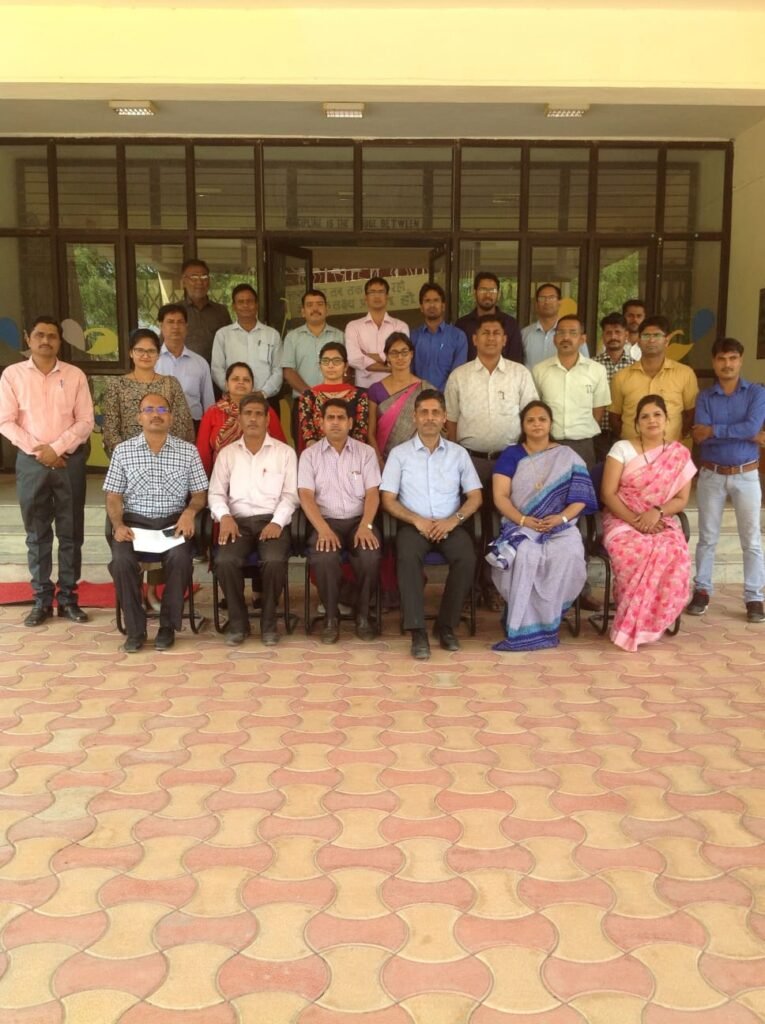
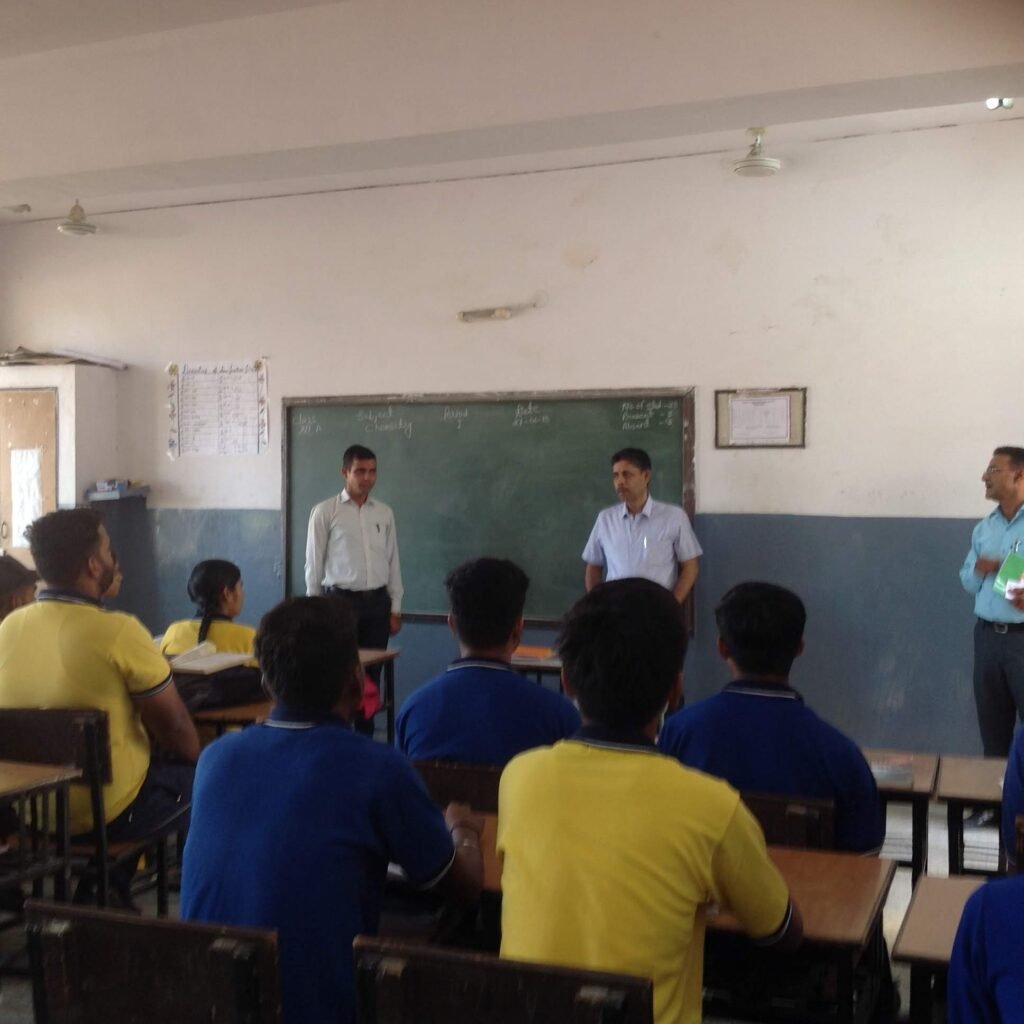
The Role of School Inspections in Kendriya Vidyalaya Sangathan
As we delve into this journey, I will discuss my experience in Kendriya Vidyalaya Sangathan, a chain of schools spread across the length and breadth of the country providing composite school education with a lot of repute.
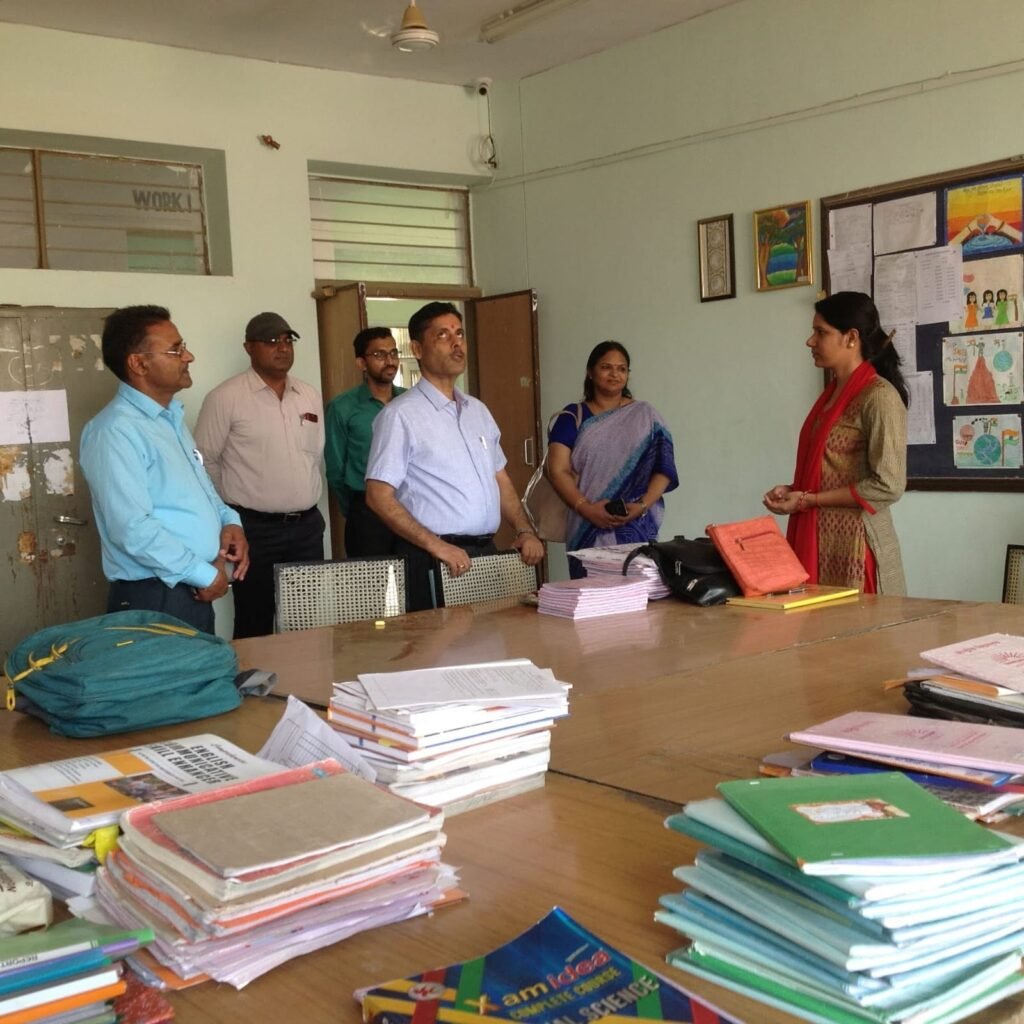
During my extensive almost 25-year tenure within the Kendriya Vidyalaya Sangathan, progressing from Assistant Commissioner to Deputy Commissioner, I gained profound insights into the pivotal role of administrative positions in shaping educational standards. While much of the responsibility involved data management and administrative tasks, a significant part of my duty revolved around conducting annual inspections of the Kendriya Vidyalayas under my jurisdiction.
The role of a school inspector is pivotal in ensuring the quality of education provided within schools. However, navigating this role can be complex, particularly when faced with the diverse approaches of fellow Assistant Commissioners. While some may adopt a blunt and rigorous stance, others may prioritise collaboration and empathy. Over time, it becomes evident that there is no one-size-fits-all approach to school inspection. Each school presents unique challenges and strengths, demanding a flexible and nuanced approach. Striking a balance between holding schools accountable for standards and fostering a supportive environment for improvement is essential. Ultimately, effective school inspection requires a blend of firmness, fairness, and adaptability to best serve the needs of students and educators.
Unveiling the Reality: Announced Inspections vs. Surprise Inspections
These inspections were not your ordinary routine checks; they were strategic manoeuvres aimed at unravelling the true pulse of each school. One inspection was announced, giving the school a heads-up, while the other two were surprise visits. The element of surprise was crucial, as it allowed us to witness the school’s authentic functioning, unmasked by any preparations. It was during these inspections that the real issues plaguing the school came to light, enabling us to address them head-on for improvement.
Surprise inspections are often considered as a more effective means of assessing a school’s performance compared to announced ones. The element of surprise is key here, as it catches teachers and school principals off guard, revealing the unvarnished reality of the school’s functioning. It’s expected that such inspections would uncover areas where expectations are not being met and shed light on what’s really happening within the school.
However, there’s a humorous perspective often shared between myself and some team members—as a joke that it’s actually us, the inspectors, who end up surprised by the poor output we encounter during these surprise visits. This innocent jock hints at the reality that surprise inspections don’t always yield better results compared to announced ones.
In my view, announced inspections and surprise inspections are like two sides of the same coin when it comes to evaluating schools. Picture this: in an announced inspection, it’s as if the school is hosting a grand performance. Teachers meticulously choreograph their lessons,and the hallways sparkle with carefully curated displays. It’s all a well-rehearsed show aimed at impressing the inspectors. Yet, lurking behind the polished facade, there may be issues simmering beneath the surface that go unnoticed. Now, imagine the scene of a surprise inspection. It’s akin to catching the school off-guard, like unworking fan and dimly lit room. Suddenly, the flaws and strengths are laid bare for all to see. From the brilliant to the bleak, everything is exposed in its raw form. Perhaps during one such surprise inspection, a school known for its academic prowess is revealed to be lacking crucial resources for its science labs and sports facilities etc, showcasing a stark reality hidden behind the laurels. However, these unannounced visits can also stir up a whirlwind of stress and anxiety among staff and students alike.Through my long years of service I realised that it doesn’t augur well at times. So, while both types of inspections have their own dramatic flair, finding the right balance between the two is essential for ensuring that schools are held accountable while maintaining the integrity of their educational mission. Here I am not advocating the stopping of surprise inspections but just mentioning the importance of a meaningful change that may occur though these inspections.
From Fault-Finding to Supportive Supervision
In my case the transitioning from the role of an ordinary Physics teacher to that of a higher-ranking officer provided profound insights. I knew pretty well that while criticism may pinpoint problems, effecting meaningful change requires more than just blame games. Unlike the common confrontational approach, I advocated and followed the constructive dialogue path that nurtured growth rather than stifling it.
The Kendriya Vidyalaya system stands as a beacon of excellence in the Indian education landscape, with accolades from government reports and independent agencies affirming its quality. I feel amongst other things central to this success is the rigorous inspection system in place. These inspections not only improve teaching learning but also cultivate an environment conducive to continual improvement across all facets of education. Although in common parlance it is not much discussed attribute for its impressive performance. In the last leg of my service I noticed its importance has been ignored at apex level for reasons such as extensive workload at headquarters and all records culminating at regional levels. Resultantly it also lost its rigger and effectively at ground levels. It must have an impact on the overall quality of the academic and functional performance.
Over my career, I meticulously conducted inspections of around 200 Kendriya Vidyalayas, engaging with teachers, students, and principals to compile detailed reports for development. While quantifying their impact on student and teacher outcomes may be challenging, the invaluable lessons learned through the process underscore its significance. I have introduced very rudimentary changes in schools based on the outcome of inspection that resulted in significant change in school functioning resulting in better outcomes.
How impactful are regular inspections?
Routine or seemingly ineffective inspections often stir up debates within educational circles, with some questioning their value and others staunchly defending their necessity. It’s akin to the age-old argument about whether the chicken or the egg came first, but in this case, it’s about whether inspections drive improvement or merely serve as bureaucratic theatre. However, amidst this intellectual tug-of-war, there’s a compelling case to be made for the subtle yet significant impact of these inspections on school dynamics.
Consider for a moment the scene before an impending inspection: teachers bustling about, classrooms receiving last-minute touches, and administrators nervously checking their checklists. It’s a flurry of activity, driven not just by the fear of scrutiny, but also by a deep-seated desire to showcase the best of what the school has to offer. This heightened state of alertness, while induced by the looming presence of inspectors, inadvertently cultivates a culture of excellence within the school community.
But let’s not dismiss the sceptics too quickly. It’s true that inspections, especially if they devolve into mere box-ticking exercises, can breed resentment and cynicism among teachers. After all, who wants to feel like they’re performing in a scripted play rather than engaging in authentic teaching and learning? Yet, even in the face of scepticism, inspections wield a subtle influence that extends beyond their immediate purpose.
In a world where complacency can easily take root, inspections serve as a wake-up call, reminding educators that their work is subject to scrutiny and evaluation. This underlying message, however subtle, has the power to spark introspection and inspire change.
Moreover, inspections, ineffective though they may sometimes appear, provide schools with an opportunity for self-reflection and growth. They compel educators to take stock of their practices, identify areas for improvement, and implement necessary reforms. In this sense, inspections serve as catalysts for continuous improvement, driving schools towards a perpetual cycle of self-assessment and refinement.
So, while the debate rages on about the efficacy of routine inspections, one thing remains clear: their impact transcends mere bureaucratic formalities. They shape school culture, reinforce standards, and catalyse improvement, even if their influence operates beneath the surface. In the grand theatre of education, inspections may play a supporting role, but their influence on the overall performance of schools should not be underestimated.
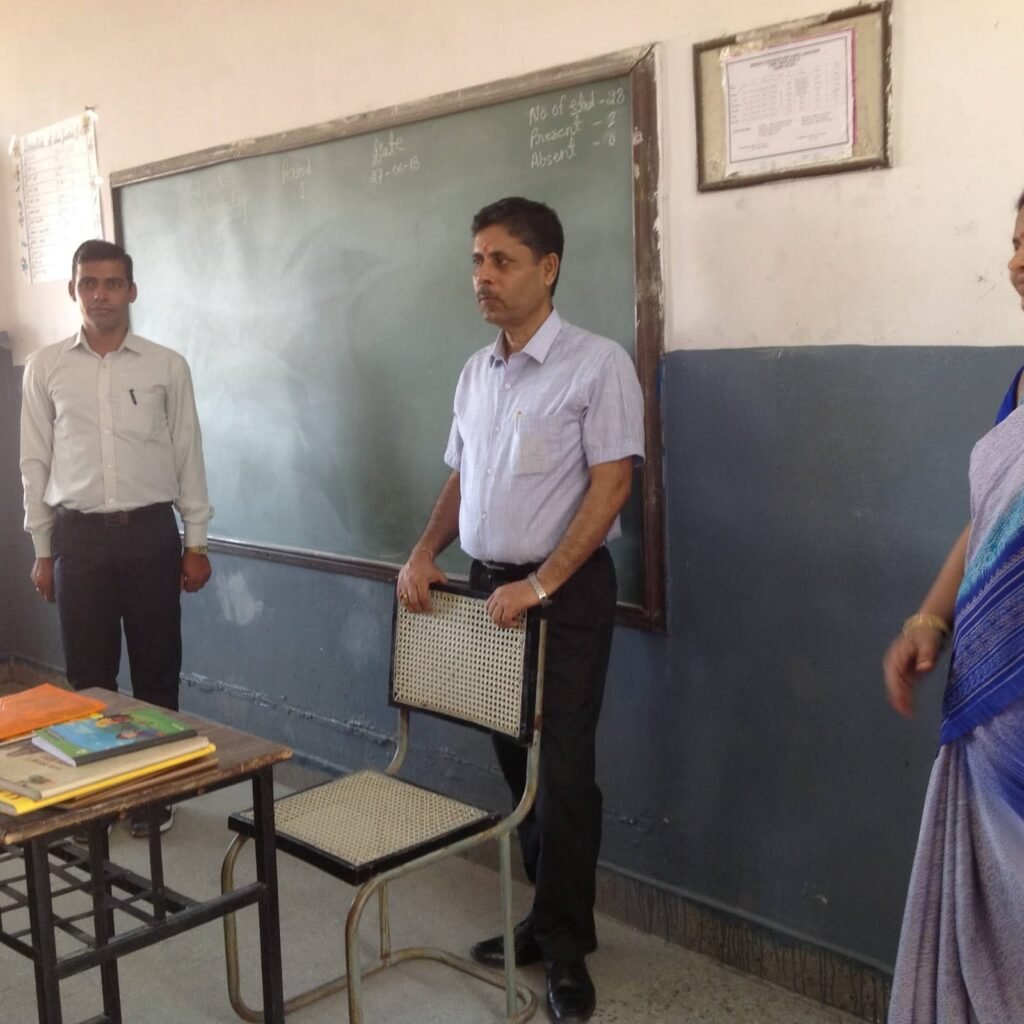
Prioritising Student Learning: Insights from Classroom Interactions
In this short narration , I aim to highlight the significance of school inspections while advocating for a shift from fault-finding to a more supportive supervisory approach. It’s crucial to distinguish between inspection and supervision, embracing an approach that fosters collaboration and elevates educational standards. Through this paradigm shift, we can truly unlock the potential of our schools and pave the way for a brighter future in education.
Let’s start with the announced school inspection. Like clockwork, the school receives a heads-up about the date and the inspection team’s visit, along with a checklist of areas to be scrutinised. With this information in hand, the principal and teachers kick into high gear, preparing for the annual check-up.
Now, we Indians are experts at putting on a good show. The school gets a thorough clean-up, all the equipment is spick and span, and activities in different departments buzz with energy. But as I observed over a few inspections, it became clear that the burden of inspection fell heavily on the students rather than the teachers.
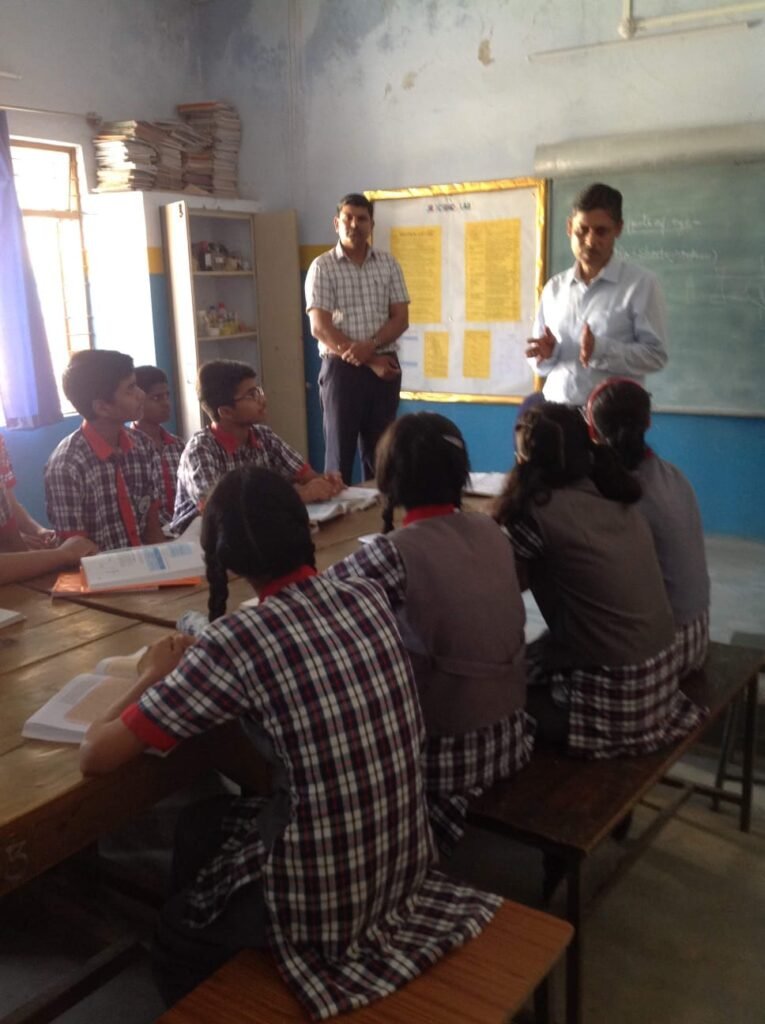
Students were frantically completing their exercise books and other documentation required for inspection. It was a rush to cover everything neatly, with teachers pushing them to finish quickly impressing the inspection team. During one interesting interaction with a group of Class 8 students behind closed doors, they revealed how teachers compelled them to put on a perfect show.
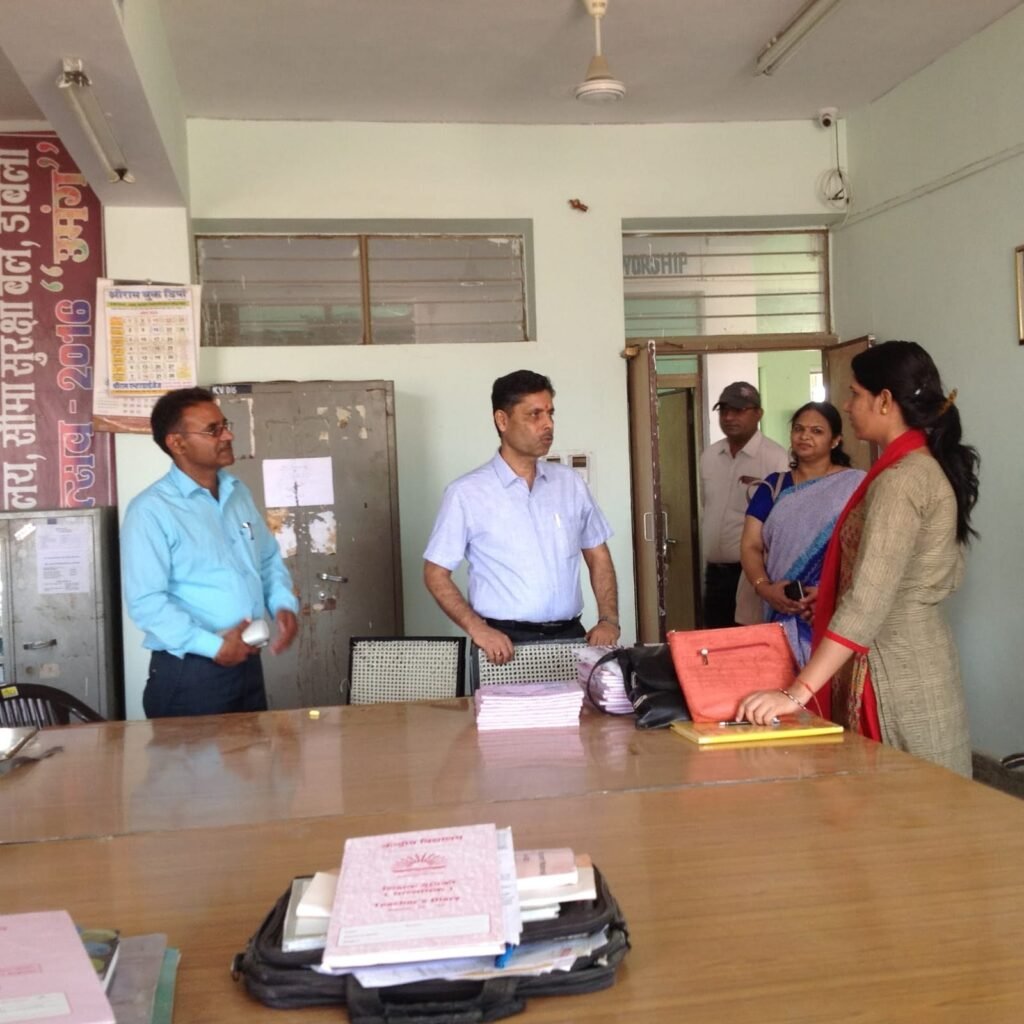
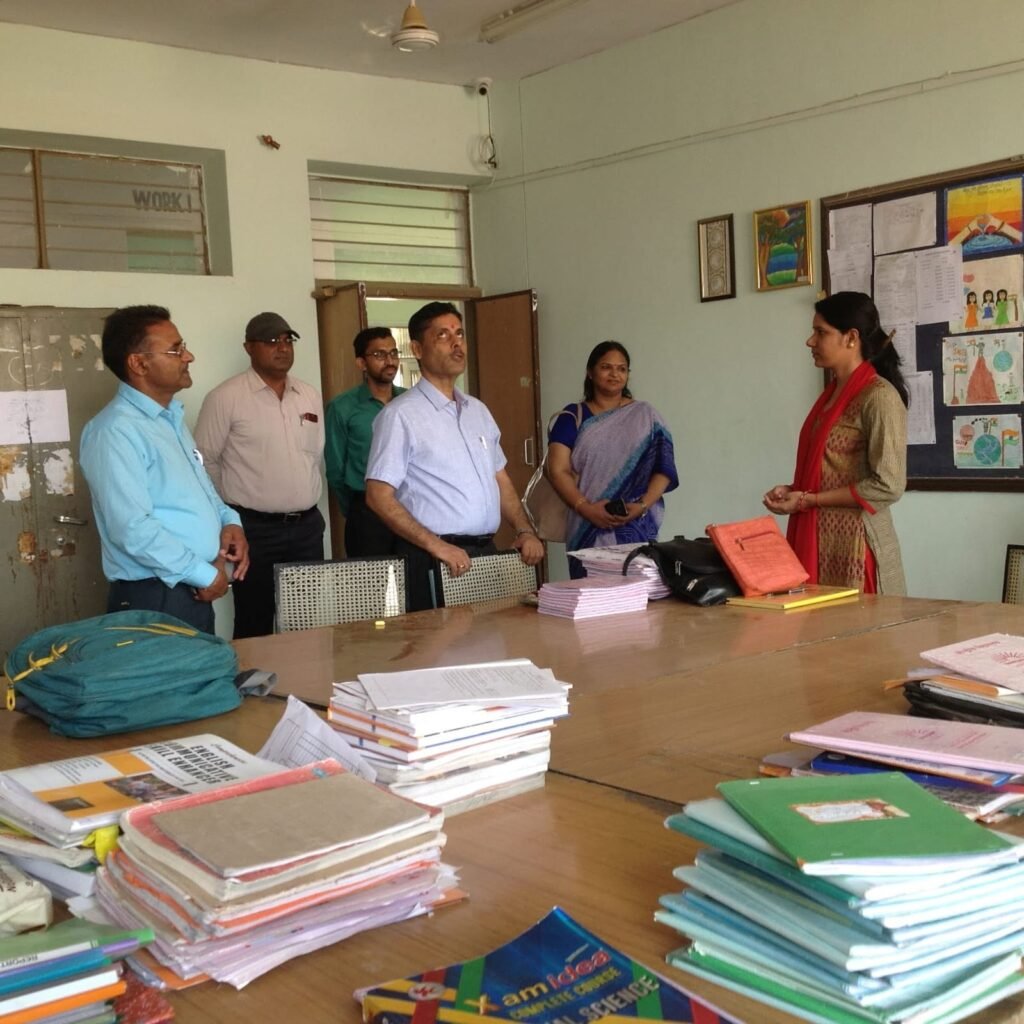
Then there’s the matter of teachers’ diaries. Many teachers hastily scribbled in their diaries, trying to meet inspection standards. This became a sticking point, especially when learning outcomes were poor for some students. Sensible principals would step in to mediate, offering arguments to resolve the situation.
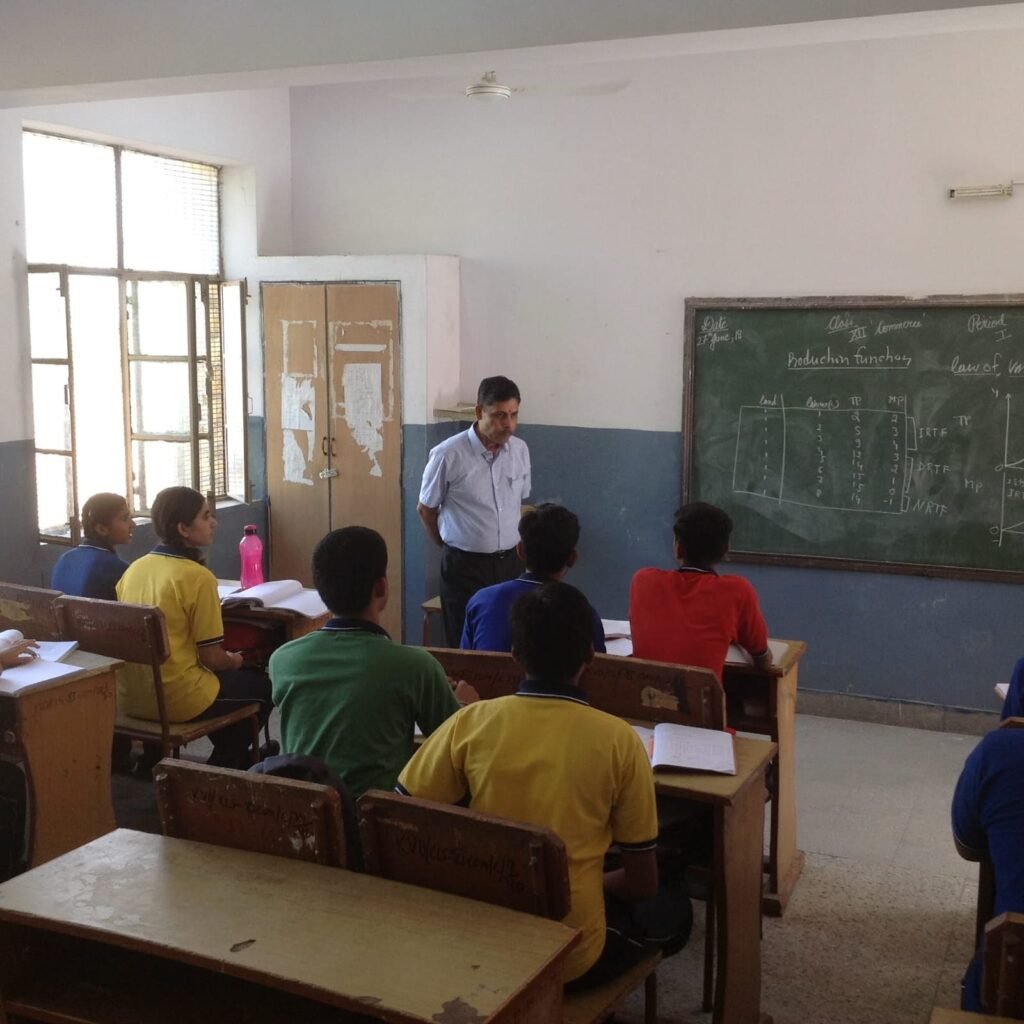
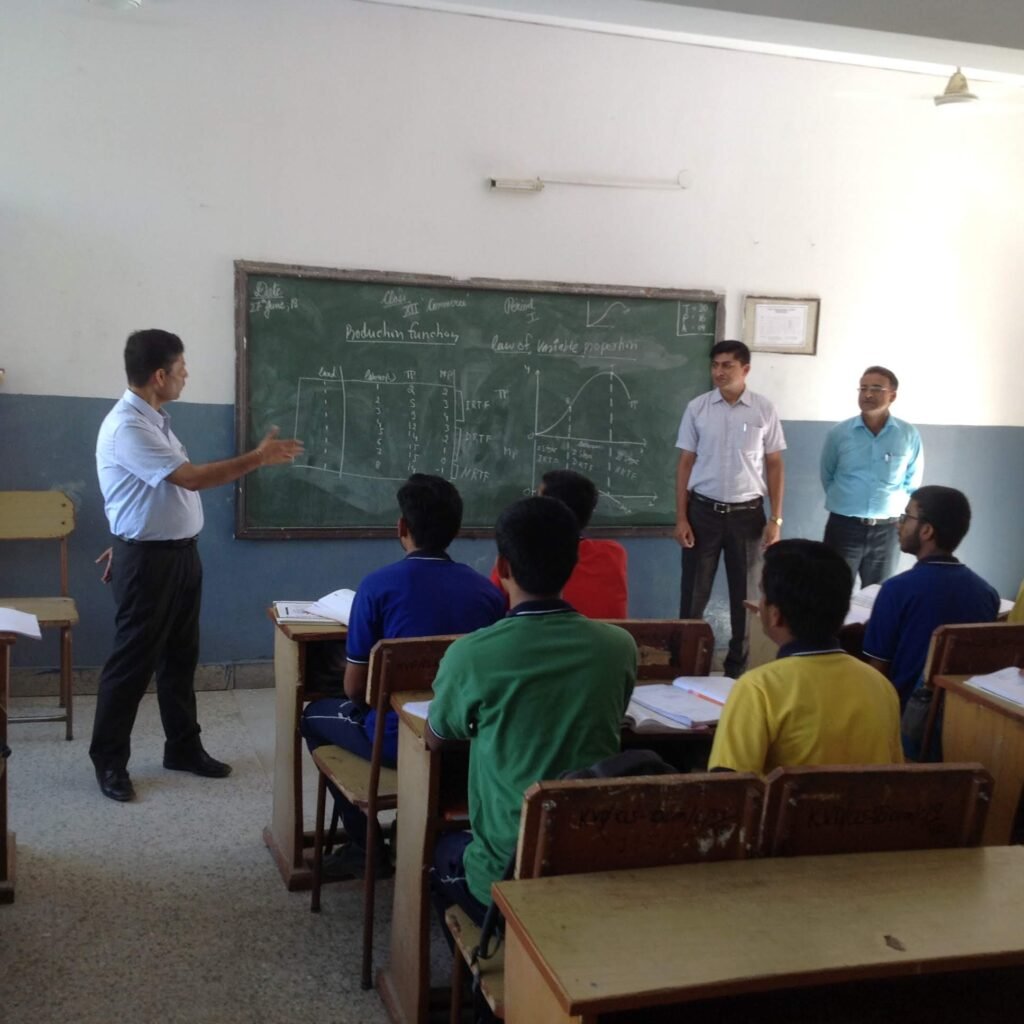
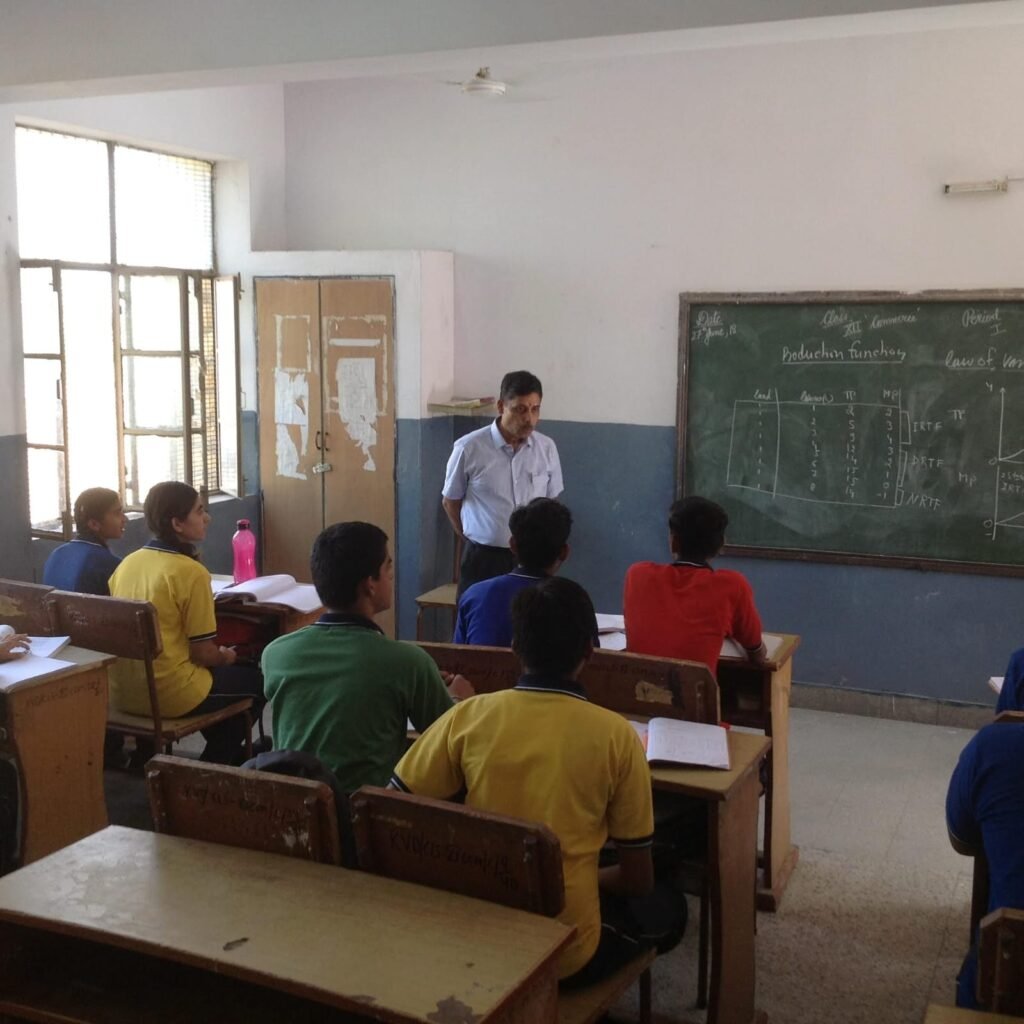
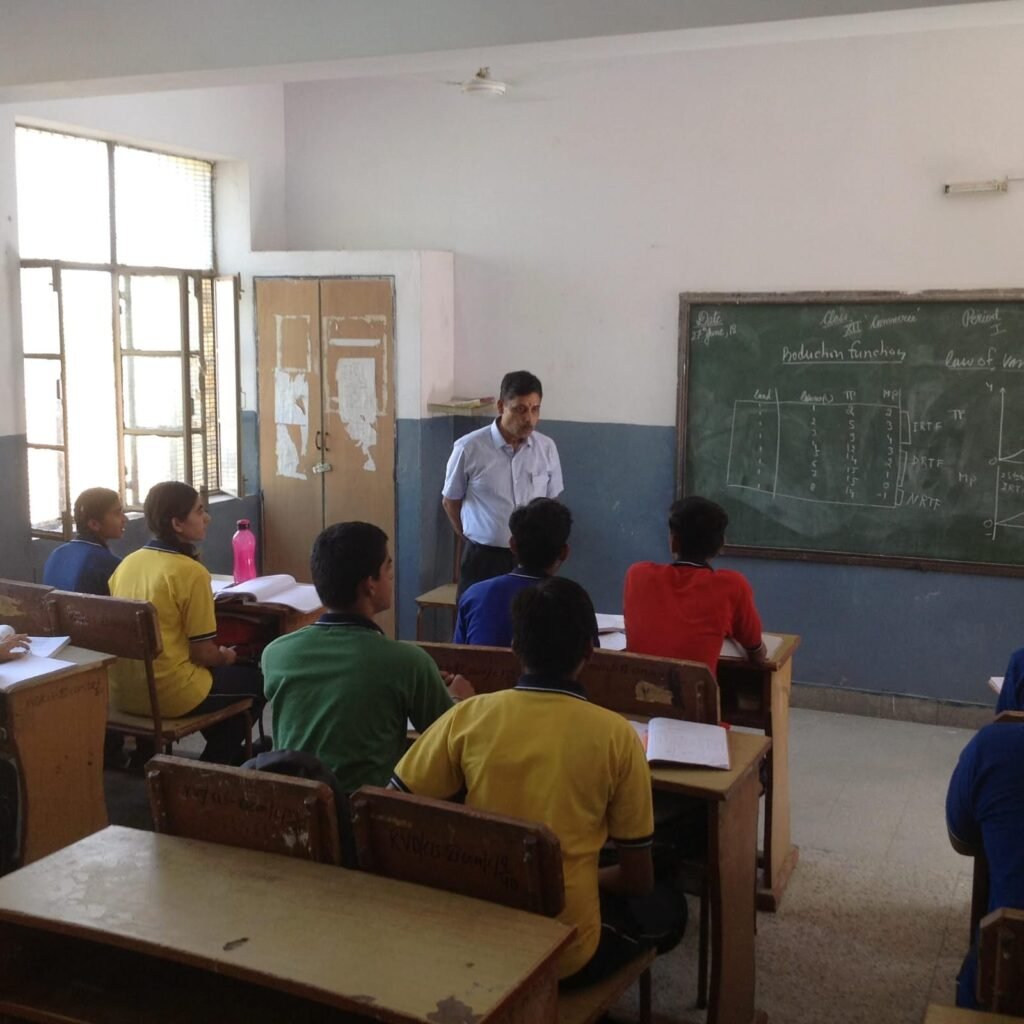
Class observation was the pinnacle of the inspection task.The lesson plan and its execution in class was deeply looked into and discussed with teachers.A lesson plan is a foundational tool used by teachers to outline the structure and objectives of a teaching session. While it serves as a roadmap for teachers to ensure that instructional goals are met, there are both strengths and weaknesses associated with its usage. A lesson plan provides a clear structure for educators to follow, ensuring that all necessary components of a lesson are included. This organisation can help teachers stay focused and maintain a coherent flow of instruction.
From the perspective of school inspectors, while lesson plans remain a fundamental aspect of instructional planning and evaluation, their primary focus is often on how effectively these plans translate into meaningful learning experiences for students. Therefore, as inspectors I assess not only the content and structure of lesson plans but also their implementation and impact on student learning outcomes. Some very insightful discussions occurred with teachers and later during full scale staff meetings.
Embracing a Proactive Approach: Engaging Directly with Students
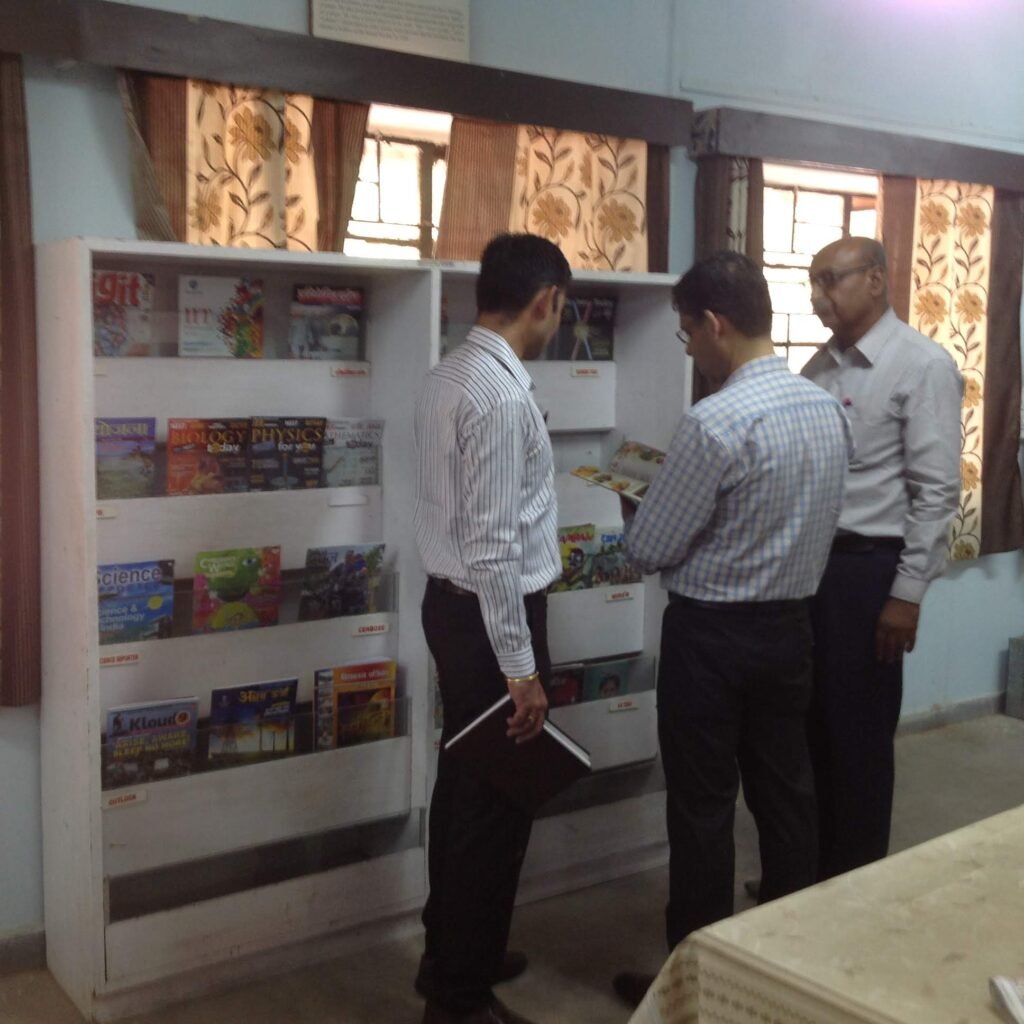
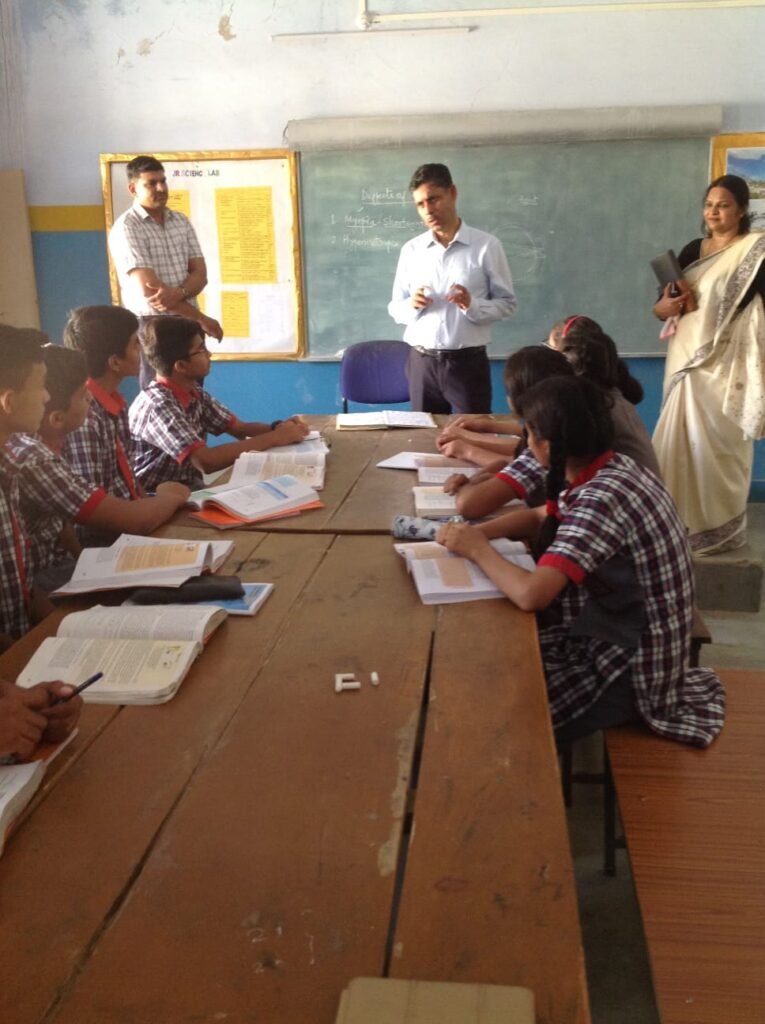
During one of my inspections, I had the opportunity to engage with a group of students who openly admitted to struggling with reading. Identifying weak students, now referred to as “slow bloomers” for political correctness, was another challenge. I focused on reading ability, particularly in primary classes where we introduced a class library system. Where classrooms were developed into miny libraries where age appropriate books were made easily available for reading. Teachers were also entrusted with library periods to boost reading ability. Also promoted storytelling practices in the classroom.
Curious about their experiences, I inquired about what steps they had taken to address their difficulties. In a classroom bustling with various activities and the pressure to complete the curriculum, true learning often takes a backseat.
A fourth-grade student charmingly shared her attempts to seek help from her academically gifted peers to improve reading ability, hoping their proficiency would rub off on her. While this provided some assistance, it didn’t entirely resolve her issue. Upon consulting her mother, she received support for Hindi reading but not for English. However, her father offered to aid her with English, albeit inconsistently due to his demanding schedule. She candidly recounted an incident where her father, frustrated by her inconsistent progress, scolded her. This led to tension between her parents, highlighting the struggles families face in supporting their children’s education.Unable to rely solely on her parents, the student’s mother sought assistance from a tutor. This incidence is just one among many, illustrating the desire of children to learn amidst the challenges they encounter.
Government surveys and media headlines revealing the alarming literacy levels among primary students serve as wake-up calls, underscoring the urgent need for effective educational interventions. The National Sample Survey (NAS) surveys provide many headlines catching articles regarding abysmally low performance of the students. Similarly the Annual Status of Education Report (ASER) is a nationwide household survey that captures the status of children’s enrolment and learning outcomes in rural India and also provides the revelation of poor performance of Indian students. I feel that we need a more proactive approach than depressing reports, where educators, our Principals engage directly with students to understand their needs. The key lies in fostering conducive learning environments within classrooms. School leaders (Principals) along with teachers have the real solution to the problem. The autonomy and support to them can lead to desired breakthroughs. Genuine learning must take precedence over merely completing the syllabus.
As an educational leader, I would spearhead initiatives aimed at enhancing learning experiences. This entails redefining the role of teachers from mere course instructors to facilitators of meaningful learning. By shifting the focus from textbook completion to holistic education, we can truly empower our students to thrive academically by actual mastering of competence.
Beyond Isolated Events: Making Inspections an Ongoing Process
The central question revolves around how inspections can serve as a source of desired improvement and long-term support for school improvement. Currently, inspections are often treated as isolated events occurring once or twice a year, yielding reports specific to that period or school without necessarily leading to subsequent actions for teacher training or infrastructure development.School planners don’t have a longitudinal view on Inspection reports and outcome. Whereas they could serve as a complete horoscope of a school system. This limited perspective impedes sustained school progress.
In my opinion, we should make inspections and supervision an ongoing process. Schools are always changing, with students moving up grades, new students arriving, teachers coming and going, and infrastructure being updated. So, it’s essential to keep a continuous record of how schools are developing over time. This broader approach can give us valuable insights into what’s working and what needs improvement.
Luckily, technology can help us do this better. With advancements like computerization and analytics, we can use data to track and analyse how schools are being supervised and inspected over time. This can benefit everyone involved: school administrators, the education system, and most importantly, the students.
Bridging the Gap: Hybrid Models for Effective Oversight
During my time in office, I used the NIC-based system for virtual meetings with school leaders, especially principals, and also interacted with teachers from different subjects and grades. These discussions helped us understand how effective our visits to various schools were. Particularly after important exams, like unit tests and half-yearly exams, we used various online platforms to talk to school authorities and groups of teachers. These discussions helped us improve how schools function and how well students are doing academically.
While virtual meetings give us a good understanding of what’s happening in schools, they shouldn’t replace physical inspections entirely. So, I suggest a mix of both. Schools like Kendriya Vidyalayas, which are spread across the country, could benefit from a hybrid model. This means combining regular on-site inspections with virtual meetings. This way, we can get a complete picture of how schools are doing and keep improving them.
In essence, school inspections are like guardians, making sure that education is going well and students are thriving. They’re not just about checking academic standards; they’re also about creating an environment where students can grow in every way. But sometimes, people mix up the roles of supervision and inspection, which can cause confusion.