
Irish Universities Looking East: Why India Is Becoming a Strategic Partner in Global Higher Education
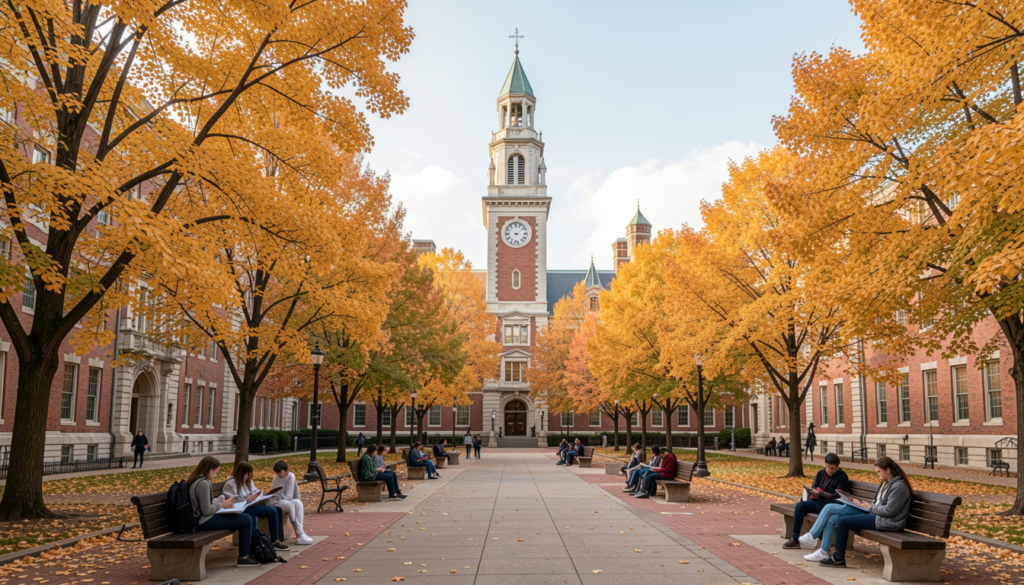
Irish universities are exploring campuses and deeper academic partnerships in India. The move signals a shift from student mobility to long-term collaboration in research, innovation, and higher education.
A New Chapter in India–Ireland Academic Relations
Global higher education is undergoing a significant transformation. Universities are no longer confined within national boundaries; instead, they are building international campuses, joint research programs, and academic partnerships. In this evolving landscape, India is emerging as a major destination for global academic collaboration.
Recent remarks by Kevin Kelly indicate that several Irish universities are keen to establish campuses in India and deepen their academic engagement with Indian institutions. According to the ambassador, Ireland wants to move beyond the traditional model of recruiting international students and instead develop long-term institutional partnerships, research collaborations, and educational exchanges with India.
This shift reflects broader changes taking place in both countries’ higher education systems and signals a promising future for India–Ireland educational cooperation.
From Student Mobility to Academic Partnership
For many years, international education primarily revolved around student mobility. Indian students travelled abroad to pursue degrees, particularly in countries such as the United States, the United Kingdom, Australia, and Ireland. Ireland has become an increasingly attractive destination for Indian students, especially in fields like technology, healthcare, and engineering.
Over the past decade, the number of Indian students in Ireland has grown dramatically, reaching several thousand and continuing to rise steadily.
However, policymakers and academic leaders are now looking beyond this model. Instead of simply welcoming international students, universities are exploring deeper forms of engagement that include joint research centers, dual-degree programs, faculty exchange, and even overseas campuses.
The idea of Irish universities setting up campuses in India reflects this strategic evolution.
Why India Is Attracting Global Universities
India’s growing importance in the global academic ecosystem is not accidental. Several structural factors are making the country increasingly attractive to foreign universities.
First, India has one of the world’s largest youth populations. Millions of students enter higher education every year, creating enormous demand for quality institutions, research opportunities, and international exposure.
Second, policy reforms are encouraging global academic collaboration. India’s higher education reforms, especially the National Education Policy (NEP) 2020, have opened doors for foreign universities to operate in the country and establish international campuses. These reforms aim to transform India into a global hub for knowledge and innovation.
Third, India’s expanding technology and research ecosystem is attracting global interest. Areas such as artificial intelligence, biotechnology, digital technology, sustainability, and data science offer enormous opportunities for collaborative research between international universities and Indian institutions.
In this context, Irish universities see India not only as a source of students but also as a strategic research partner.
Ireland’s Strengths in Research and Innovation
Ireland has built a strong reputation for research-driven education, particularly in fields linked to innovation and industry collaboration. Universities and technological institutions across Ireland are deeply connected to sectors such as information technology, pharmaceuticals, advanced manufacturing, and financial technology.
Institutions such as Technological University Dublin and Atlantic Technological University represent Ireland’s focus on applied research, entrepreneurship, and industry partnerships.
Collaborating with Indian institutions could therefore create powerful academic networks where research expertise, innovation ecosystems, and talent pools combine to address global challenges.
For example, joint research projects in artificial intelligence, climate change, digital transformation, and healthcare could significantly benefit both nations.
Benefits for Indian Higher Education
The possibility of Irish university campuses in India could bring several advantages for Indian students and institutions.
First, it would expand access to international education without requiring students to travel abroad. Many families struggle with the high cost of overseas education, including tuition fees and living expenses. International campuses within India could provide globally recognized degrees at comparatively lower costs.
Second, collaboration with Irish universities could strengthen research culture within Indian universities. Joint laboratories, faculty exchange programs, and collaborative doctoral programs could significantly enhance India’s academic ecosystem.
Third, such partnerships could accelerate innovation and entrepreneurship. Students exposed to international academic environments often develop broader perspectives, stronger problem-solving skills, and global networks.
These outcomes align closely with India’s ambition to become a global knowledge economy.
Beyond Education: Strengthening Bilateral Relations
Academic collaboration often acts as a powerful bridge between nations. The relationship between India and Ireland has historically been friendly, supported by cultural exchanges, economic partnerships, and growing people-to-people connections.
The Indian diaspora in Ireland has also grown steadily, contributing significantly to sectors such as healthcare, information technology, engineering, and management.
Expanding educational partnerships can further strengthen this relationship. Universities often become hubs where future leaders, researchers, entrepreneurs, and policymakers interact and collaborate. Over time, these networks can deepen diplomatic, economic, and cultural ties between countries.
The Future of Global Higher Education
The interest of Irish universities in India reflects a broader transformation in global higher education. Universities are no longer isolated national institutions; they are becoming global networks of knowledge creation and innovation.
International campuses, joint degrees, collaborative research platforms, and cross-border academic partnerships are likely to become increasingly common in the coming decades.
For India, this moment represents an opportunity. By welcoming global universities while strengthening domestic institutions, the country can build a vibrant and competitive higher education ecosystem.
For Ireland, engaging deeply with India offers access to one of the world’s most dynamic knowledge economies.
Ultimately, the emerging academic partnership between the two nations represents more than a policy shift. It reflects a shared recognition that the future of education will be global, collaborative, and driven by innovation.