
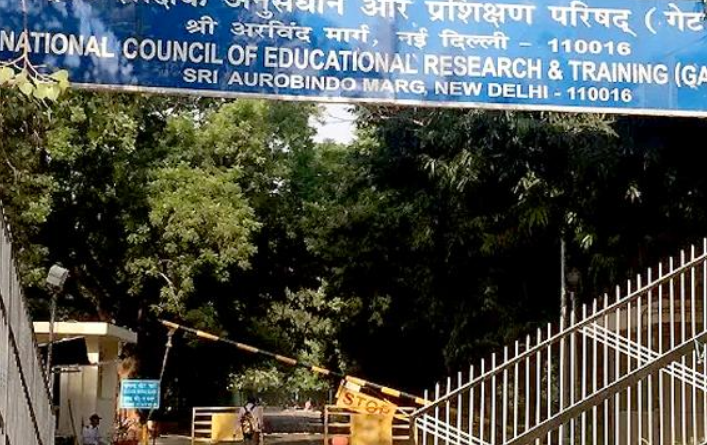
Centre Grants Deemed University Status to NCERT, Empowering It to Award Degrees
NCERT granted deemed-to-be university status by the Centre. Now empowered to award degrees, this move boosts teacher education, research, and aligns with NEP 2020 reforms in India.A Landmark Shift in India’s Education System
In a major development for teacher education and academic research, the National Council of Educational Research and Training (NCERT) has been granted the status of a deemed-to-be university by the Government of India. This move allows NCERT to design and award its own degrees, marking a significant step in strengthening the country’s education ecosystem.
🏛️ About NCERT and Its Expanding Role
Founded in 1961, NCERT has been the backbone of India’s school education system, known for:
- Developing NCERT textbooks followed by CBSE and many state boards
- Conducting teacher training programs
- Leading educational research and policy support
With this new status, NCERT will now evolve from a curriculum body to a full-fledged academic institution.
🎓 What Does ‘Deemed-to-be University’ Status Mean?
The “deemed-to-be university” tag is granted by the Ministry of Education to institutions that demonstrate high academic standards.
This status empowers NCERT to:
- Award undergraduate, postgraduate, and doctoral degrees
- Design its own curriculum and courses
- Conduct independent examinations and research programs
- Collaborate with national and international institutions
In simple terms, NCERT can now function like a university, while continuing its existing responsibilities.
🎯 Why This Decision Matters
This move aligns closely with the vision of the National Education Policy (NEP) 2020, which emphasizes:
- Multidisciplinary education
- Strong teacher training frameworks
- Research-driven policy development
Key Benefits:
- Professionalisation of Teacher Education
- Creation of specialised degree programs in education
- Stronger link between school curriculum and higher education
- Boost to education research in India
📚 New Academic Opportunities for Students
With degree-granting powers, NCERT is expected to introduce:
- Integrated B.Ed programs
- M.Ed and Ph.D. in Education
- Courses in curriculum design, educational technology, and assessment
- Specialized training aligned with NCF 2023 and NEP 2020
This will open new pathways for:
- Aspiring teachers
- Education researchers
- Policy professionals
⚖️ How It Impacts the Education Ecosystem
The decision could reshape India’s teacher education landscape in multiple ways:
- Standardisation of Teacher Training: NCERT can set benchmarks for quality
- Reduction in Fragmentation: Bringing coherence across institutions
- Improved Learning Outcomes: Better-trained teachers lead to better classrooms
However, experts also point out challenges:
- Need for infrastructure expansion
- Ensuring accessibility across states
- Avoiding overlap with existing universities
🔍 What Happens Next?
The transition will likely be gradual. NCERT will:
- Establish academic departments
- Develop course frameworks
- Seek approvals for specific programs
Admissions and course launches may begin in phases over the next few academic sessions.
🌱 A Transformative Step Forward
Granting deemed university status to NCERT is more than an administrative change—it represents a paradigm shift in how India views education, teaching, and research.
By empowering its most trusted academic body, India is taking a decisive step toward:
- Quality teacher education
- Stronger academic research
- Global competitiveness in education