
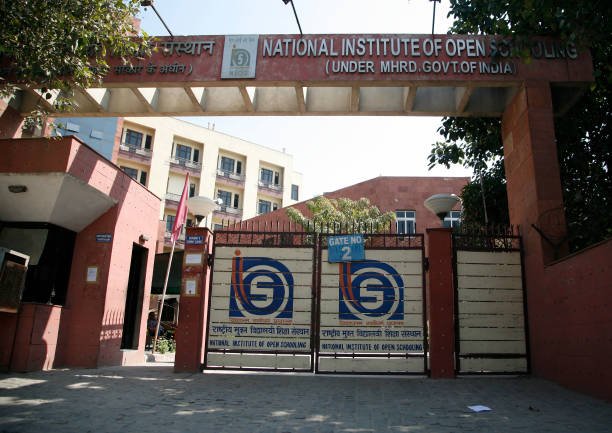
NIOS rolls out digital papers to curb leaks, enable on-demand exams
NIOS introduces digital question paper delivery to prevent leaks and strengthen exam security, while expanding its on-demand exam system for flexible, student-friendly assessments.The National Institute of Open Schooling (NIOS) has taken a significant step toward modernising India’s examination system by introducing digital question paper delivery for its Class 10 and Class 12 board exams. This reform, combined with the expansion of its On-Demand Examination System (ODES), marks a decisive move toward greater flexibility, transparency, and security in assessment.
The initiative comes at a time when concerns over question paper leaks and exam-related malpractice have intensified across the country. By leveraging technology, NIOS aims to address these long-standing issues while also redefining how and when students can take their exams.
A Digital Shift to Strengthen Exam Integrity
Under the new system, NIOS has replaced the traditional method of physically transporting question papers with a secure digital delivery mechanism. Question papers are now transmitted electronically to examination centres through a dedicated portal.
A key feature of this system is its time-locked access, ensuring that question papers can only be opened at the exact scheduled time of the exam. This eliminates the possibility of early access and significantly reduces the risk of leaks.
Additionally, the system uses two-factor authentication (2FA), restricting access strictly to authorised personnel. Each question paper is also dynamically watermarked with centre-specific details, making it traceable and further discouraging malpractice.
The digital system is currently being implemented across more than 1,600 examination centres nationwide, covering the April–May 2026 theory examinations.
This move aligns with broader efforts across education boards in India to strengthen exam security using digital tools.
Addressing Challenges of the Traditional System
For decades, examination boards relied on printing, packaging, and transporting question papers under tight security. Despite these measures, the system faced several vulnerabilities:
- Risk of paper leaks during transit
- Logistical delays in reaching remote centres
- Limited real-time monitoring
- High operational costs
The digital transition addresses these challenges by enabling instant, synchronised delivery of question papers across all centres. It also creates a digital audit trail, allowing authorities to track access and maintain accountability at every stage.
On-Demand Exams: A Flexible Learning Model
Alongside digital reforms, NIOS continues to expand its On-Demand Examination System (ODES)—a unique feature that sets it apart from conventional boards.
Unlike traditional exams held once or twice a year, ODES allows students to appear for exams whenever they feel prepared.
This system is especially beneficial for:
- Students who could not clear board exams
- Learners seeking to improve their scores
- Working professionals and distance learners
- Students who prefer self-paced preparation
The flexibility of ODES means that students do not have to wait an entire year to reattempt an exam. Instead, they can register, choose a date, and appear for the test based on their readiness.
Recent updates indicate that NIOS continues to conduct these exams throughout the year (except during major public exam months), reinforcing its commitment to accessible and inclusive education.
Integration of Digital Delivery with On-Demand Exams
The combination of digital question papers and on-demand exams represents a powerful transformation. Together, they create an ecosystem that is:
- Secure: Reduced chances of leaks and malpractice
- Flexible: Students can choose when to take exams
- Efficient: Faster coordination and reduced logistical burden
- Transparent: Digital tracking ensures accountability
This integrated approach is particularly relevant in today’s digital age, where education systems are increasingly expected to be adaptive and learner-centric.
Impact on Students and Education System
For students, these reforms bring several advantages. The digital system ensures fairness, as all candidates receive question papers simultaneously. It also reduces anxiety related to exam integrity, as the chances of leaks are minimized.
The on-demand model, meanwhile, empowers students to take control of their learning journey. It shifts the focus from rigid schedules to individual readiness and understanding, aligning with modern educational philosophies.
From a systemic perspective, the reforms support the goals of the National Education Policy (NEP) 2020, which advocates for flexibility, reduced exam stress, and the use of technology in education.
Challenges and Future Outlook
While the initiative is promising, its success will depend on effective implementation. Key challenges include:
- Ensuring reliable internet connectivity at all centres
- Training staff to handle digital systems
- Maintaining cybersecurity standards
- Preventing technical disruptions during exams
However, if executed well, the NIOS model could serve as a blueprint for other education boards in India.
Conclusion
The introduction of digital question paper delivery and the continued expansion of on-demand exams signal a major shift in India’s assessment landscape. By combining technology with flexibility, NIOS is not only addressing immediate concerns like paper leaks but also redefining the very nature of examinations.
As education moves toward a more student-centric and technology-driven future, such initiatives highlight the potential for creating systems that are both secure and humane—where learning, not just testing, takes centre stage.