
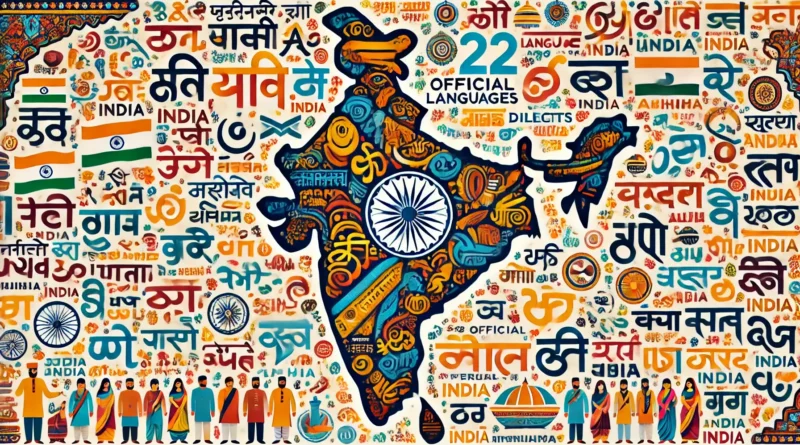
Digvijaya Singh Requests Temporary Suspension of CBSE’s Three-Language Policy for Class 9
Senior Congress leader and Rajya Sabha MP Digvijaya Singh has written to Prime Minister Narendra Modi, urging the Centre to put the implementation of the Central Board of Secondary Education (CBSE) three-language policy for Class 9 students on hold.
Why Has Singh Raised Objections?
In his letter, Singh argued that introducing the policy from July 1, 2026, in the middle of the academic session could create serious disruption for schools and students. He cited concerns about:
- Lack of trained language teachers
- Non-availability of prescribed textbooks
- Insufficient transition time for schools
- Academic planning challenges for thousands of CBSE-affiliated institutions
- Difficulties faced by students in southern and northeastern states where Hindi is not widely spoken
Questions Over CBSE’s Decision
Singh also questioned why CBSE proceeded with the rollout despite an earlier recommendation that schools continue with the existing language scheme until graded language textbooks were made available by National Council of Educational Research and Training (NCERT).
According to the CBSE circular issued on May 15, 2026, the study of three languages will become compulsory for Class 9 students from July 1, 2026, with at least two of them being Indian languages. Until dedicated textbooks are available, students may use Class 6 language textbooks as transitional learning material.
Concerns Over Resources
The parliamentary committee chairman highlighted that many schools may struggle to implement the policy because of shortages of qualified language teachers, particularly for Sanskrit and regional languages. He warned that introducing a major curriculum change without adequate preparation could adversely affect students’ learning experience.
Matter Also Before the Supreme Court
The issue is currently under consideration by the Supreme Court of India, with the next hearing expected in July. Singh has argued that implementing the policy before the court’s decision could create further complications.
Background
The controversy follows CBSE’s decision to align its language policy with the recommendations of the National Education Policy (NEP) 2020 and the National Curriculum Framework for School Education (NCF-SE) 2023. Supporters of the move argue that multilingual learning strengthens cognitive development and cultural understanding, while critics say the rollout has been rushed without adequate infrastructure and resources.
The debate has now become one of the most closely watched education policy issues in the country, with parents, teachers, political leaders, and education experts divided over the timing and implementation of the three-language mandate.