
Five essential recommendations for integrating AI into education
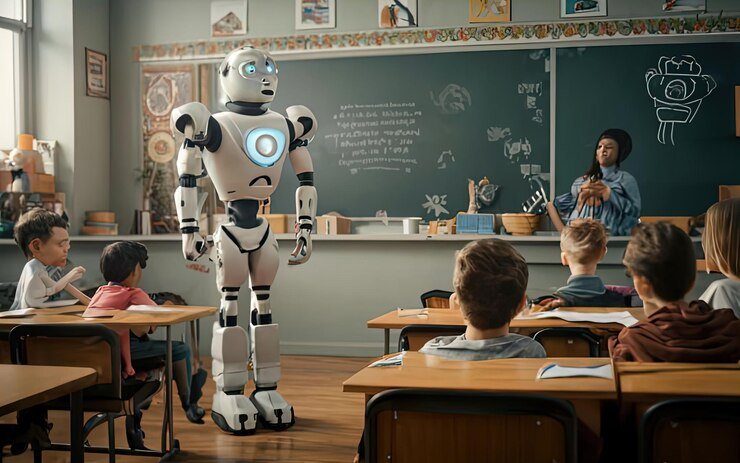
In today’s landscape, it’s virtually impossible to evade the omnipresence of news surrounding Artificial Intelligence (AI), which is poised to revolutionize operations across all industries and sectors. Education stands prominently in this transformative wave, where discussions revolve around concerns regarding students leveraging AI for academic dishonesty, juxtaposed with the imperative to equip them with AI competencies essential for a fiercely competitive job market.
According to a survey conducted by the AI Education Project (aiEDU), it’s evident that the majority of K-12 educators and administrators recognize AI’s inevitable integration into the educational sphere. Despite harboring reservations, they acknowledge the necessity of embracing AI in the classroom. However, the survey highlights a gap between acknowledgment and implementation, with many educators yet to incorporate AI into their teaching practices or receive adequate training in this domain.
Here are five key insights gleaned from the survey, accompanied by corresponding recommendations for effectively integrating AI into K-12 education:
- Recognition of the Need for AI-Centric Professional Development: The survey underscores a consensus among K-12 educators that professional development should encompass sessions on AI implications and include materials in lesson plans to educate students. This reflects a willingness to embrace AI despite reservations, with over 80% of respondents advocating for AI-focused training and 75% endorsing curricula integrating AI concepts. Recommendation: Establish comprehensive AI literacy programs to enhance educators’ understanding of AI’s potential and ethical considerations, ensuring seamless integration into teaching methodologies.
- Awareness Versus Utilization of Generative AI: While most educators have heard of generative AI, a significant majority haven’t utilized these tools and express divided opinions about their utility. Despite this, there’s a consensus on the necessity of incorporating generative AI into the curriculum. Recommendation: Foster collaborative platforms for educators to exchange best practices and lesson plans incorporating generative AI, promoting peer learning and experimentation with new tools.
- Balancing Skepticism and Advocacy for Generative AI: Educators exhibit skepticism regarding the impact of generative AI in the classroom but simultaneously emphasize its inclusion in the curriculum to provide students with exposure to emerging technologies. Recommendation: Integrate curriculum components focusing on ethical AI use, addressing concerns such as privacy, bias, and digital citizenship, to empower students as responsible AI users and creators.
- Acknowledgment of Benefits and Pitfalls: While recognizing the potential benefits of generative AI, educators express apprehensions about its implementation, emphasizing the need for experimentation and acceptance of potential failures in integrating AI into teaching practices. Recommendation: Promote equitable access to AI technologies, bridging the digital divide and ensuring all students have the opportunity to engage with AI tools and resources.
- Divergent Perspectives Between Administrators and Teachers: Administrators demonstrate more optimism regarding the impact of generative AI on teaching and learning compared to teachers. This dichotomy underscores the need for cohesive approaches to AI integration supported by both administrative and teaching staff. Recommendation: Facilitate ongoing professional development opportunities focused on generative AI, including workshops and seminars, to keep educators abreast of advancements and pedagogical strategies, fostering a unified vision for AI integration in education.